
Ankara Bone Grafting (Bone Powder) Procedures: Build Strong Foundations with Panorama Ankara Global
What Is Bone Grafting (Bone Powder) and How Does It Work?
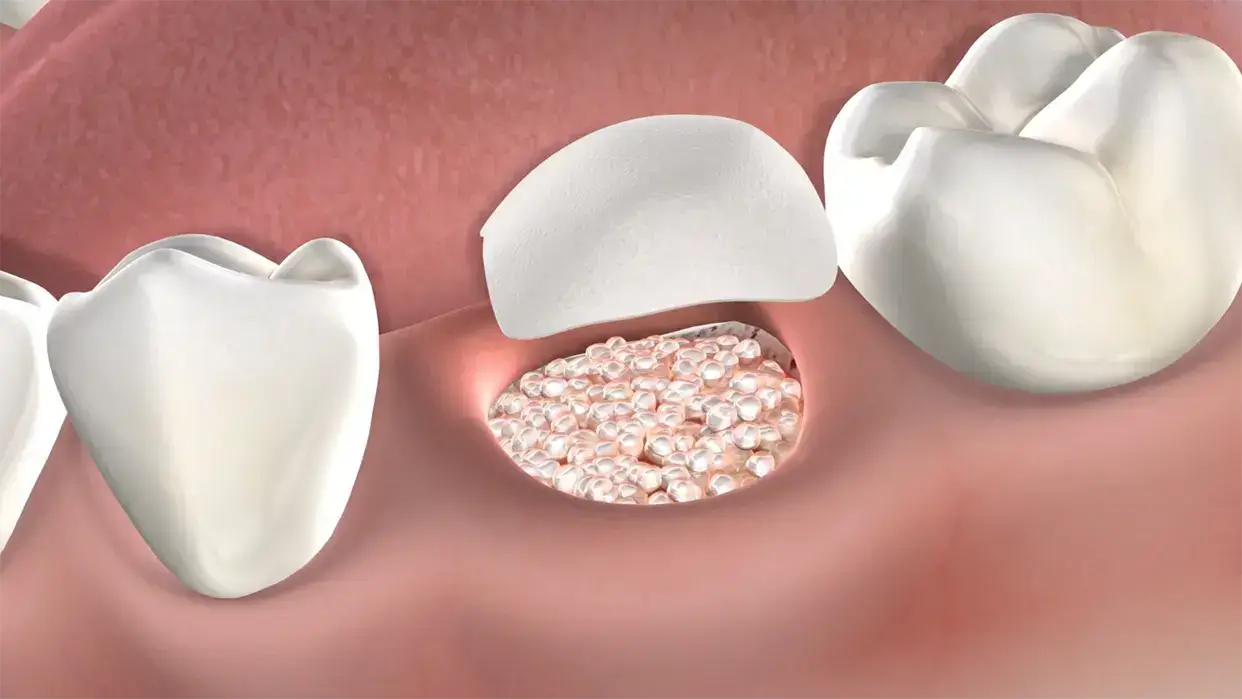
In medicine, grafting is based on the principle of adding biocompatible materials to replace missing tissue. In dentistry, Ankara dental bone grafting refers to placing specially formulated bone particles (bone powder) into areas of the jawbone that have thinned or lost volume. These particles act like a scaffold, encouraging the body’s own bone cells to migrate into the area and form new natural bone.
Over time, the added graft material integrates with the patient’s own bone tissue and creates a strong structure capable of safely supporting an implant. Ankara jawbone graft procedures not only protect the anatomical boundaries of the jaw but can also help prevent facial collapse and sunken contours that may develop with bone loss. Every Ankara bone powder application performed under modern clinical conditions is planned to work in full harmony with the patient’s physiology.
Why Do International Patients Choose Ankara?
Ankara, the capital of Türkiye, is a top choice for patients across Europe and worldwide thanks to its high standards in health tourism, advanced medical infrastructure, and calm, organized city environment. For patients who want to avoid the stress of crowded megacities, Ankara offers a focused and peaceful recovery setting. Exclusive advantages we provide for patients who want Ankara bone graft treatment at Panorama Ankara Global include:
- Digital Pre-Planning: With the 3D tomography scans you send from your country, we can determine in advance whether you need Ankara implant bone grafting—helping prevent unexpected costs.
- VIP Welcome & Transportation: From the moment you step into Ankara Esenboğa Airport, you are greeted with VIP vehicles so you can avoid transportation stress throughout your journey.
- Comfortable Accommodation: We arrange your stay at partner hotels near our clinic that meet international hygiene standards.
- Native-Language Patient Guidance: Our multilingual interpreters and patient coordinators stay with you throughout the process so you can understand every medical detail about your planned Ankara bone graft surgery in your own language.
When Is Bone Grafting Necessary?
Not every case of bone loss requires the same level of treatment. However, in certain situations, grafting becomes essential to achieve safe, long-term function. The most common scenarios where we recommend an Ankara bone graft surgery include:
- Insufficient Bone Volume Before an Implant: If a missing tooth is left untreated for a long time, the bone can narrow. To ensure the titanium implant is fully covered and stable, the area is thickened and/or raised with Ankara implant bone grafting.
- Sinus Floor Elevation (Sinus Lift): When upper back teeth are lost, the sinus cavity may expand downward. To place implants in this region, the sinus membrane is gently lifted and Ankara dental bone grafting is placed underneath to form new bone.
- Socket Preservation After Tooth Extraction: After an infected or difficult extraction, a graft can be placed in the same session as Ankara dental bone graft to prevent the socket from collapsing.
- Gum Disease (Periodontitis): Advanced gum disease can dissolve jawbone and cause teeth to become loose. After treating the disease, Ankara jawbone graft procedures can be used to restore lost bone where needed.
What Are the Types of Bone Grafts?
At Panorama Ankara Global, we may use different graft materials depending on your biology, the amount of bone required, and the complexity of the procedure:
- Autograft (Your Own Bone): Bone is taken from another area (often within the jaw) and transferred to the target site. Because it’s your own tissue, it typically adapts quickly.
- Allograft (Human Donor Bone Bank): Human-derived graft materials that have undergone sterilization and safety processing.
- Xenograft (Animal-Derived): Most commonly bovine-based. Organic components are removed, leaving a mineral structure—widely used and highly biocompatible in dentistry.
- Alloplast (Synthetic): Lab-produced bone substitutes made from calcium phosphate or hydroxyapatite-based materials.
Comparison Table: Grafting vs. No Grafting
International patients often ask what can happen if an implant is placed directly into a thin jawbone without grafting. To help guide your decision, review the comparison table below:
| Evaluation Criteria | When Ankara Bone Grafting (Bone Powder) Is Performed | When an Implant Is Placed in Thin Bone Without Grafting |
|---|---|---|
| Implant Stability Rate | Because a thicker bone wall forms around the implant, stability and anchorage are significantly stronger. | Implant threads may remain exposed, reducing surface contact and weakening initial stability. |
| Long-Term Health | Newly formed bone helps maintain stability and can extend the lifespan of the implant. | Bacterial accumulation around the implant may increase over time, raising the risk of implant failure. |
| Aesthetic Appearance | The gum tissue looks fuller and more natural thanks to bone support, helping prevent collapses. | Gray shine-through, gum recession, and asymmetric facial sinking can be seen in some cases. |
| Chewing Resistance | Better resistance against higher chewing forces. | Under excessive pressure, the risk of implant micromovement or instability may increase. |
FAQ: A Quick Guide for Our International Patients
Here are some key answers to help clear common questions before your health travel:
Is bone grafting painful?
Like all dental surgical procedures, grafting is performed under effective local anesthesia. During the procedure, you typically feel only mild pressure—not pain. Afterward, the healing period is usually very comfortable with the medications prescribed by your dentist.
How long does it take for bone powder to turn into bone?
Full integration and mineralization of the graft (bone formation) depends on your metabolism and the size of the procedure, but it typically takes around 3 to 6 months. This waiting period is crucial for building a reliable foundation.
Can an implant and bone powder be applied at the same time?
In some cases where bone loss is not severe, an implant can be placed while bone powder is added around it in the same session. However, if the bone is too thin to provide initial implant stability, Ankara bone grafting is performed first, and implant placement is planned months later after bone formation. The tomography you send us will clarify the best plan.
Aftercare & Nutrition
After a successful surgical procedure, the patient’s home-care routine directly affects healing. In the first few days, applying cold compresses externally can help minimize swelling. While new tissue forms in the jawbone, a protein-rich, calcium-supportive, soft-food diet can promote cellular healing. It is also essential to avoid hard foods that strain the surgical site, extremely hot/cold foods, and tobacco products, which can slow down recovery.
Build a Solid Foundation for Your Smile
Bone loss in the jaw does not have to stop you from getting implants. With Ankara’s reliable health tourism infrastructure and Panorama Ankara Global’s high-standard clinical technology, you can manage the process smoothly.
Share your current 3D tomography (CBCT) scan or panoramic X-ray with us today. For a free digital assessment, treatment roadmap, and a personalized travel plan, our multilingual international patient consultants will contact you as soon as possible.
